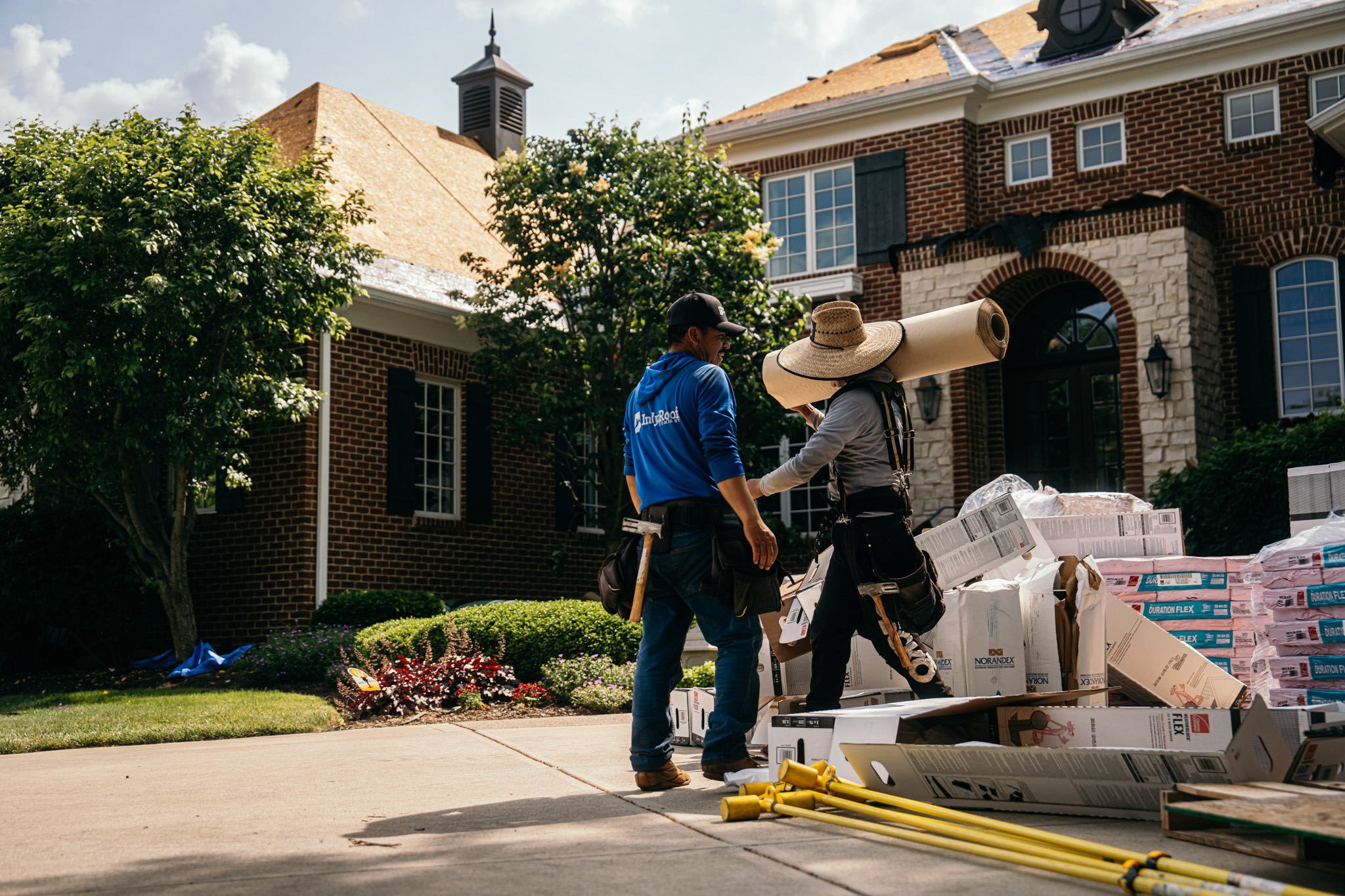
Understanding 24/7 Emergency Roof Repair
24/7 emergency roof repair is a service built around a simple reality: roof problems do not wait for convenient times, and some are urgent enough that waiting causes serious damage. It provides round-the-clock response to urgent roofing problems, focused on limiting damage quickly. For a Shadeland homeowner, understanding this service means knowing that when a roof fails at a bad time, a storm at night, a leak on a weekend, help is available and geared toward fast action. The service typically stabilizes the immediate problem first, then follows with a permanent repair. Understanding what emergency roof repair is, and what it is for, prepares you to use it appropriately when a genuine emergency occurs, so you are not left wondering whether help is available or what to do when an urgent roof problem strikes outside normal hours.
What a Roofing Emergency Is
A roofing emergency is a situation that is actively causing damage or poses a safety risk and cannot reasonably wait for a scheduled repair. Active leaks, storm damage that has exposed the roof, punctures, and similar urgent problems qualify, since they are causing or about to cause significant damage. For a Shadeland homeowner, the defining feature is urgency, the problem demands prompt action to limit harm. A stable, minor issue that is not letting water in is generally not an emergency. Understanding what distinguishes an emergency from a routine problem helps you recognize when immediate action is warranted. The key question is whether the situation is actively harmful or hazardous: if water is entering or safety is at risk, it is an emergency, whereas a contained, non-urgent issue can be handled through normal scheduling without the need for emergency service.
The Cost of Waiting
The cost of waiting is the central reason emergencies warrant prompt action. Water intrusion is cumulative, so an active leak or exposed roof causes progressively more damage, to the decking, insulation, ceilings, and belongings, the longer it is left. For a Shadeland homeowner, this means delaying a response to a genuine emergency typically results in far more damage and expense than acting promptly. Even a temporary stabilization, done quickly, can prevent substantial harm. Understanding the cost of waiting reinforces why emergency service exists and why you should use it for urgent problems rather than putting them off. The economics favor prompt action, since the expense of the resulting damage usually exceeds that of a timely response. Recognizing this helps you treat a roof emergency with the urgency it deserves, protecting both your home and your finances from the escalating consequences of delay.
What Does Not Need Emergency Service
Recognizing what does not require emergency service is as useful as knowing what does. A few worn shingles not letting water in, minor cosmetic concerns, a stable small issue, or general aging are typically not emergencies and can be handled through normal scheduling. For a Shadeland homeowner, treating a non-urgent problem as an emergency is usually unnecessary and may involve different costs, while a genuinely urgent problem warrants immediate action. The distinction is whether the issue is actively causing or about to cause significant damage. Understanding what does not need emergency service helps you respond proportionately, reserving emergency response for true emergencies while handling routine repairs through standard channels. That said, when water is involved and you are unsure of the urgency, seeking professional guidance is reasonable, since it is better to check than to underestimate a problem that could be more serious than it appears.
Why Round-the-Clock Availability Helps
Round-the-clock availability helps because the damage from a roof emergency escalates with time, and emergencies occur unpredictably. An active leak overnight or storm damage on a weekend cannot wait for business hours without water spreading through the home and the damage growing. For a Shadeland homeowner, having help available at any hour means an urgent problem can be addressed promptly rather than left to worsen, which limits the damage. The value lies in the speed of response, since even a temporary stabilization stops the situation from deteriorating further. Understanding why availability helps clarifies the purpose of 24/7 service: it bridges the gap between when an urgent problem strikes and when it can be addressed. Because that gap is often when the most damage occurs, closing it quickly through round-the-clock response is what makes emergency service valuable when a roof problem cannot wait.
How Emergency Roofers Work
Emergency roofers work by responding promptly to urgent problems, assessing the situation, stabilizing it to stop further damage, and then arranging a permanent repair. They are equipped to work in difficult conditions and outside normal hours, with the experience to handle emergencies safely. For a Shadeland homeowner, this means an emergency roofer brings both the speed and the capability to address a roof problem that cannot wait, from the initial assessment through temporary protection to the eventual permanent repair. Understanding how emergency roofers work helps you know what to expect and why their service is structured around rapid response and damage control. Their focus is on limiting the damage quickly and safely, then properly fixing the underlying problem. Knowing this gives you confidence that calling an emergency roofer for a genuine emergency will bring a capable, appropriate response to a stressful situation.
Being Ready for an Emergency
Being ready for a roof emergency means knowing what qualifies, what to do, and who to call before one happens. Understanding that 24/7 emergency roof repair is available, recognizing an emergency when you see one, and having a trusted roofer's number on hand all help you respond quickly when it counts. For a Shadeland homeowner, this preparation turns a frightening situation into a manageable one, since you know help is available and what the next steps are. Keeping basic supplies like buckets and a tarp on hand can also help with immediate damage control. Shadeland Roofing provides emergency roof repair for Shadeland homeowners, with prompt response and 24/7 availability for situations that cannot wait. Call (765) 676-3491 when a roof emergency strikes, and we will respond promptly to help limit the damage and protect your home.
Safety in an Emergency
Safety is paramount in a roof emergency, taking priority over the roof damage itself. Hazards like water near electrical components, a structurally compromised area, or conditions that make being near the problem dangerous must be addressed first. For a Shadeland homeowner, this means protecting people before property: do not climb onto a wet or damaged roof, avoid water near electrical sources, and stay clear of any area at risk of collapse. If a serious hazard is present, addressing it, including calling emergency services if needed, comes before any concern about the roof. Emergency roofers are equipped to work safely in difficult conditions, but safety still comes first for everyone. Understanding the primacy of safety helps you respond sensibly to an emergency, focusing on keeping people safe and leaving hazardous rooftop work to professionals, since no roof damage justifies risking injury to yourself or others.
Temporary Stabilization
Temporary stabilization is often the first physical step in an emergency response, aimed at stopping further damage before a permanent repair. A tarp secured over an exposed or leaking area, or a temporary patch, can halt water intrusion quickly. For a Shadeland homeowner, this approach makes sense because emergency conditions, an ongoing storm, darkness, or a wet roof, may not allow a full repair immediately, and the priority is to stop the damage now. The temporary measure buys time until a proper repair is possible. It is a stopgap, not the final solution, but it serves the urgent purpose. Understanding temporary stabilization helps you see that the immediate goal in an emergency is damage control, halting the active problem, rather than a complete repair on the spot. This staged approach ensures the situation is contained quickly while the permanent fix is arranged for when conditions allow it to be done properly.
The Value of Availability
The value of 24/7 availability ultimately comes down to peace of mind and damage prevention. Knowing that help is available at any hour means a roof emergency, whenever it strikes, does not have to spiral while you wait for business hours. For a Shadeland homeowner, this availability is what makes prompt damage control possible, which is often the difference between a contained problem and extensive harm. The service exists to be there when you need it, in the unpredictable moments when a roof fails. Understanding the value of availability helps you appreciate why emergency roof repair matters and why having access to it is reassuring. Shadeland Roofing provides emergency roof repair for Shadeland homeowners, with prompt response and 24/7 availability for urgent situations. Knowing that capable help is a phone call away, whenever a roof emergency happens, is part of protecting your home against the unexpected.
The Call and Assessment
The emergency response typically begins with your call, during which the roofer gathers information about your situation, any safety concerns, and the nature of the problem to assess its urgency. They may offer guidance on safe immediate steps, such as containing water inside, while help is arranged. For a Shadeland homeowner, this initial assessment helps the roofer understand the situation and respond appropriately, so communicating the key details clearly, what is happening, any hazards, and your circumstances, is helpful. On arrival, the roofer assesses the roof and the immediate threat to determine the right action. Understanding the call and assessment stage helps you engage with it effectively, providing the information that lets the roofer respond well. This stage sets up the response, since a clear understanding of the situation guides whether temporary protection, a repair, or other action is the appropriate first step.
From Temporary to Permanent
Moving from temporary stabilization to a permanent repair is what fully resolves a roof emergency. Once the immediate threat is contained and conditions allow, the roofer properly repairs the actual source of the problem, the damaged shingles, flashing, or breach, restoring the roof's protection. For a Shadeland homeowner, this two-stage process ensures both that the emergency is stopped and that the underlying problem is genuinely fixed, since the temporary measure only managed the immediate threat. Understanding the progression from temporary to permanent helps you anticipate the full course of an emergency repair: stabilize first, then fix properly. Arranging the permanent repair promptly after stabilization is important, since a temporary measure is not meant to last indefinitely. Completing the permanent repair closes out the problem at its source, so the roof is properly restored rather than relying on a stopgap that will eventually need replacing with a real fix.